

Play the Game: Umbra
Brief:
“Create a 20-30 minute game that is coherent and clearly connected.”
About the game:
Engine: RPG Boss
Team Size: One
Development time: 2 months
This project is a short-form classic RPG experience focused on progression, party building, and quest-driven narrative. The game follows a travelling protagonist who becomes involved in a kingdom threatened by a powerful enemy. The player explores multiple locations, completes side quests, recruits party members, and prepares for a final confrontation with the main antagonist.
The project was designed to demonstrate connected world structure, narrative coherence, and RPG progression systems within a limited scope.
My Role and Contributions:
- Designed the overall narrative structure and progression flow
- Created all quests, dialogue, and branching interactions
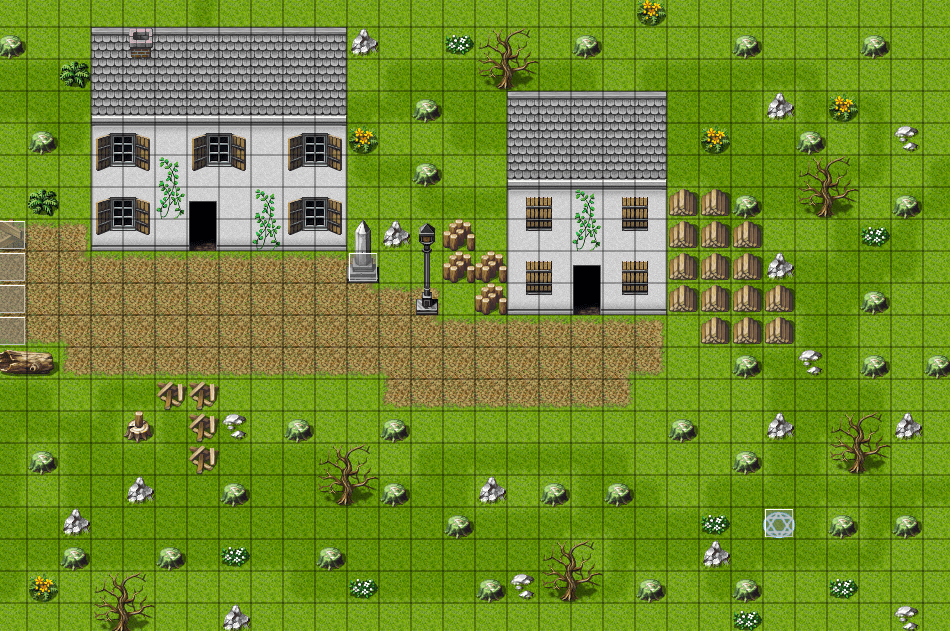
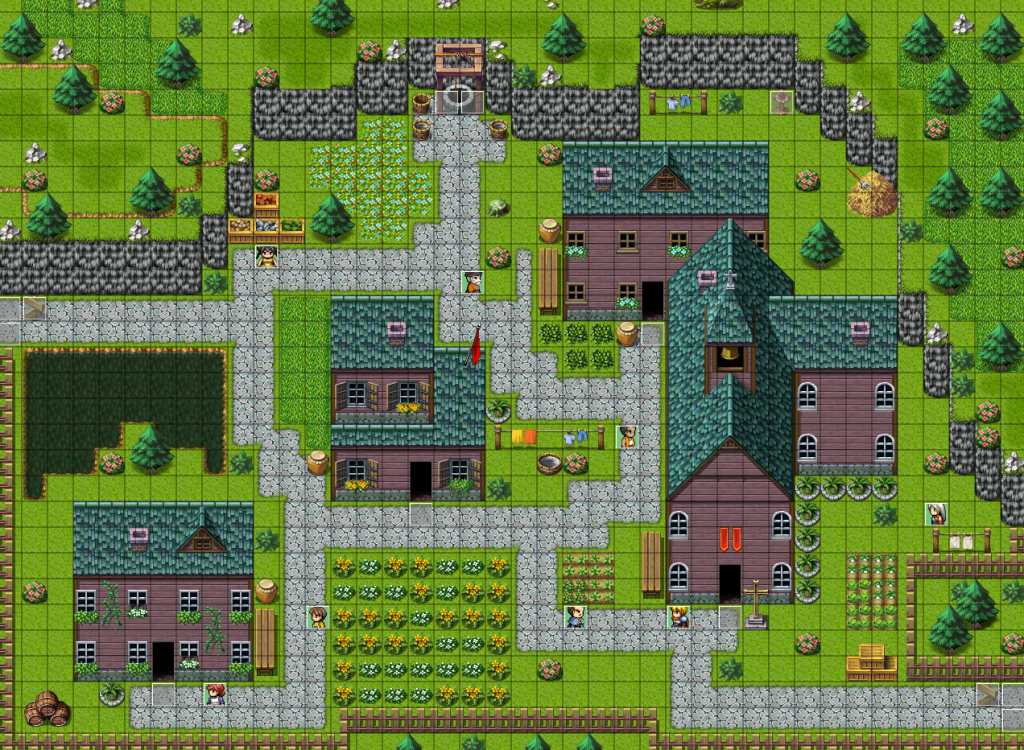
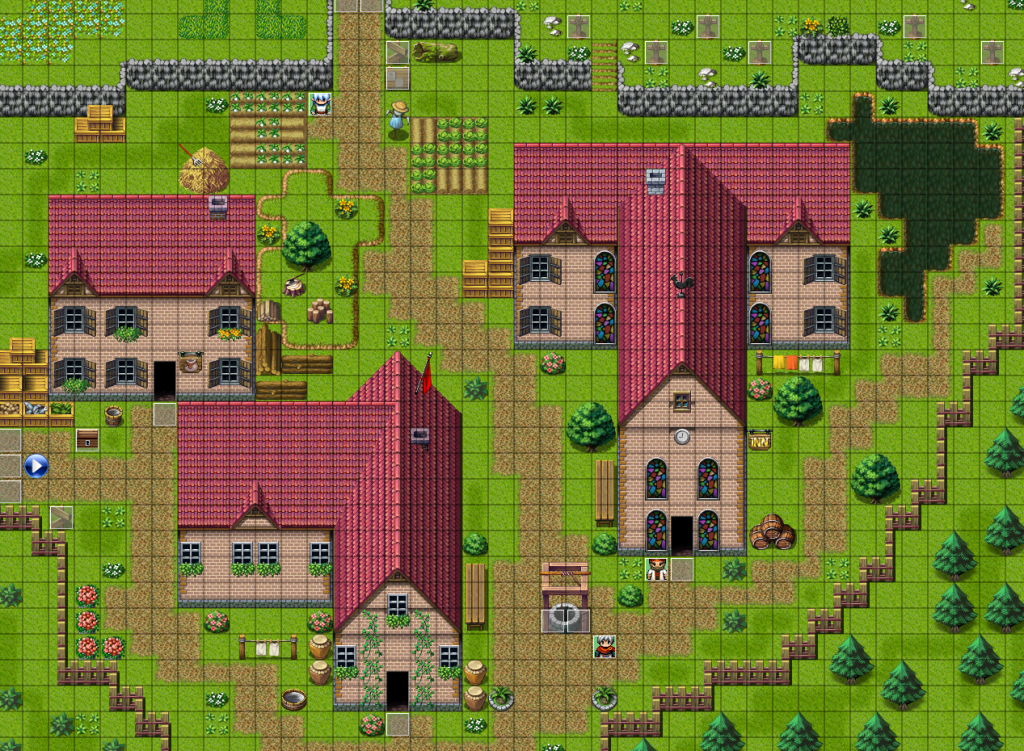
- Designed level layouts, world structure, and location connections
- Positioned characters, enemies, and quest triggers throughout the game
- Implemented party recruitment, progression, and combat systems using RPG Boss tools
- Prototyped the game structure before full implementation to ensure coherence and pacing
While many visual assets were provided by the engine or sourced externally, all narrative design, quest logic, pacing, and gameplay structure were created and implemented by me.
Design Focus:
The primary design goal was to create a connected RPG experience where exploration, combat, and narrative progression felt meaningfully linked. Side quests were designed to support player growth through gold, equipment, and party recruitment rather than existing as isolated tasks.
Progression was paced to gradually introduce systems and build toward the final encounter, ensuring players were adequately prepared while maintaining a sense of forward momentum.
Challenges and Problem Solving:
One of the main challenges was maintaining narrative and mechanical coherence across multiple locations and quests. This required careful planning of dependencies, dialogue states, and progression triggers to prevent dead ends or confusion.
Balancing scope was also important. The project needed to meet a minimum playtime while remaining achievable within the development period, which reinforced the importance of planning and iteration.
Reflection and Learning Outcomes:
As one of my earliest RPG-focused projects, this game played a significant role in developing my interest in role-playing systems and structured progression. It helped me understand how quests, dialogue, combat, and world layout interact to create a cohesive player experience.
If revisited, I would improve the project by creating more bespoke visual assets and resolving remaining bugs. I would also refine encounter balance and expand character progression options to add greater depth.
This project laid the groundwork for my continued interest in RPG and systems-driven game design and informed my approach to later narrative and gameplay-focused projects.
 kgaming.online