


Play the Game: The Helpline
Brief:
“A short game (approx 8-12 minutes to play entire game), made in Unity for PC, whose primary focus is telling a story, or exploring a narrative space.”
About the game:
Final project
Engine: Unity with Fungus
Language: C#
Team Size: One
Development time: 2 months
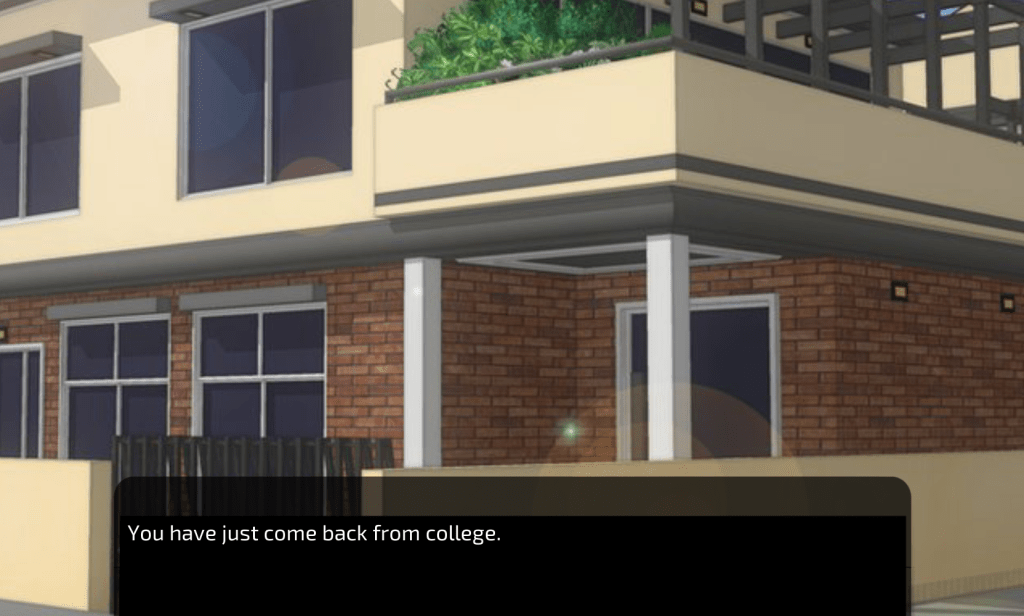
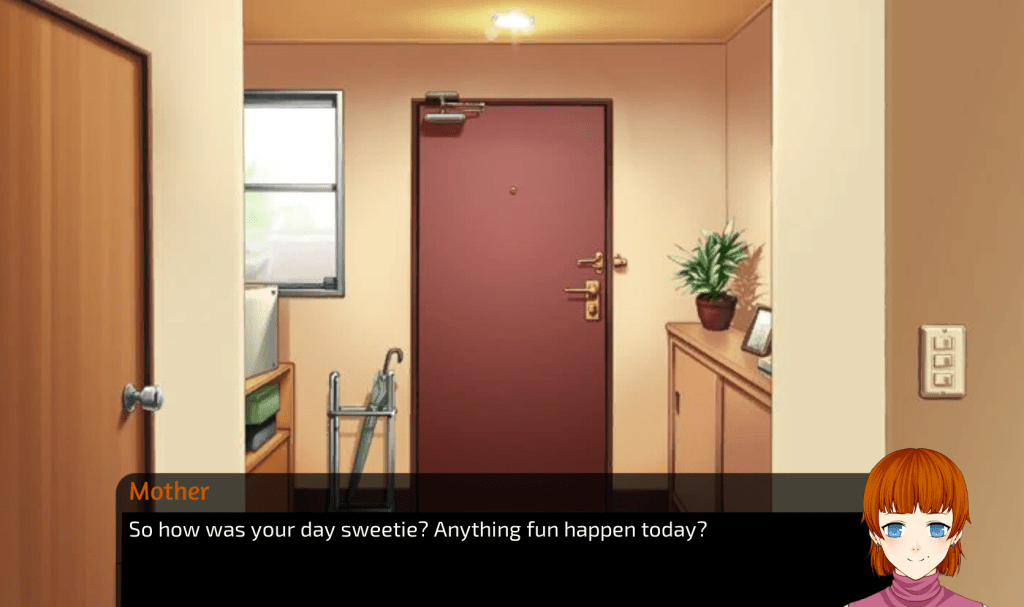
This project is a short narrative game focused on player choice, emotional impact, and representation. The game explores the experience of coming out to one’s parents and the uncertainty surrounding acceptance and rejection.
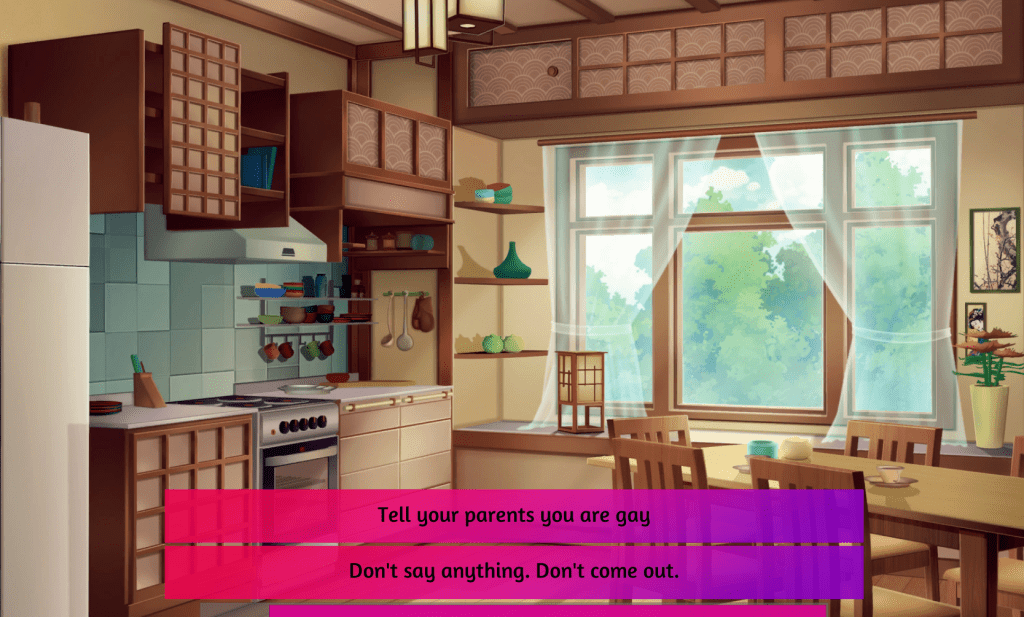
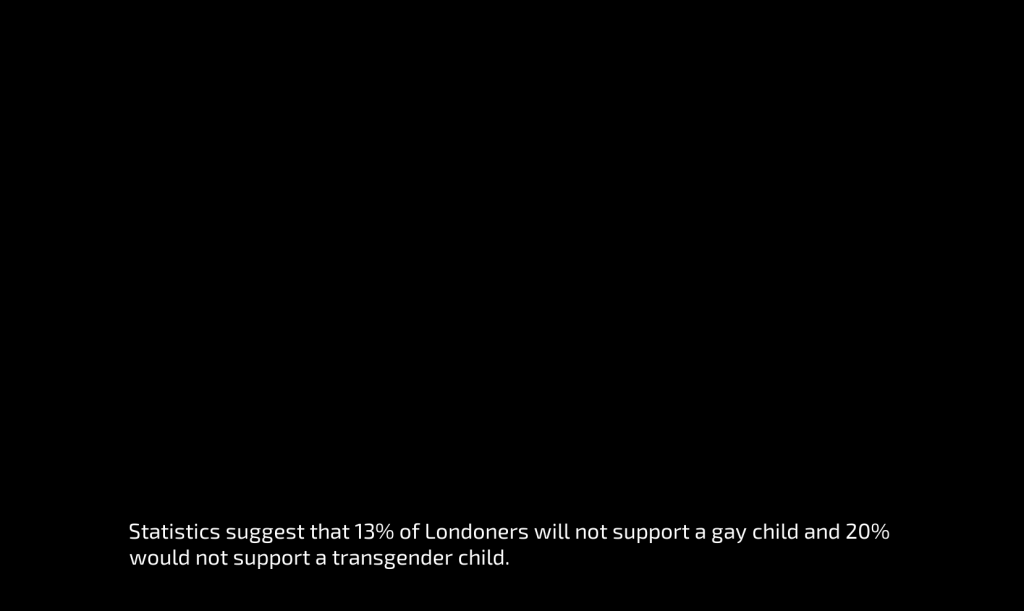
Players experience a narrative-driven game in which they play as a male character coming out to his parents. The outcome of each playthrough is determined by a probability-based system, resulting in one of two possible endings. These outcomes are informed by real-world statistics, reflecting how parental reactions can vary from acceptance to rejection.
By removing player control over the outcome, the game emphasises the emotional uncertainty and vulnerability associated with coming out, highlighting how such experiences are often shaped by factors beyond an individual’s influence.
Content note: This project addresses themes of identity, mental health, and family relationships.
My Role and Contributions:
- Developed the core concept and narrative structure
- Designed dialogue choices and branching outcomes
- Implemented narrative logic and probability-based endings using Fungus
- Conducted research into real-world statistics to inform narrative outcomes
- Researched and integrated support resources and helpline information
- Designed the game logo and selected music and visual assets to support tone
The narrative was informed by discussions with members of the LGBTQ+ community, helping shape an experience that reflects both positive and negative outcomes while remaining respectful and grounded.
Design Intent:
The primary design goal was to create an empathetic, short-form experience that communicates emotional uncertainty through interaction rather than exposition. The use of probability-based endings was intended to reflect the lack of control many individuals feel in real-life situations, while ensuring that each playthrough remains concise and focused.
The inclusion of real-world support information at the end of the game was a deliberate design choice, extending the experience beyond the game itself and signposting players to additional resources.
Challenges and Design Considerations:
Balancing emotional impact with player comfort was a key challenge. Care was taken to ensure the game remained accessible and supportive, rather than overwhelming. While the project aimed to include first-hand stories, sourcing personal accounts proved difficult, which shaped the decision to focus on a more generalised narrative structure.
Reflection and Future Improvements:
This project reinforced the importance of sensitivity, research, and clarity when designing narrative experiences around real-world issues. It also highlighted how interactive systems can be used to communicate uncertainty and emotional stakes in a way that static media cannot.
If expanded, I would collaborate directly with individuals willing to share their experiences, allowing the game to include multiple personal perspectives while maintaining player choice and agency. I would also explore additional branching paths to reflect a wider range of family responses and support systems.
 kgaming.online
One Comment Add yours