


Play the Game: #MeToo
Brief:
“A short game (approx 8-10 minutes to play entire game), made in Unity for PC, whose primary focus is telling a story, or exploring a narrative space. Must allow the player to explore a 2D/3D space.”
About the game:
Final project
Engine: Unity with Fungus
Language: C#
Team Size: One
Development time: 2 months
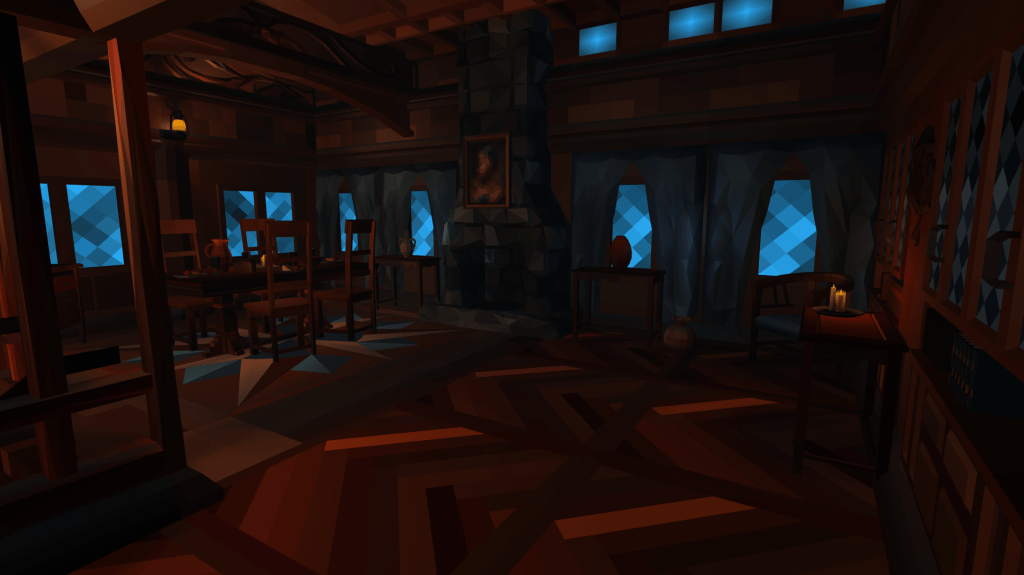
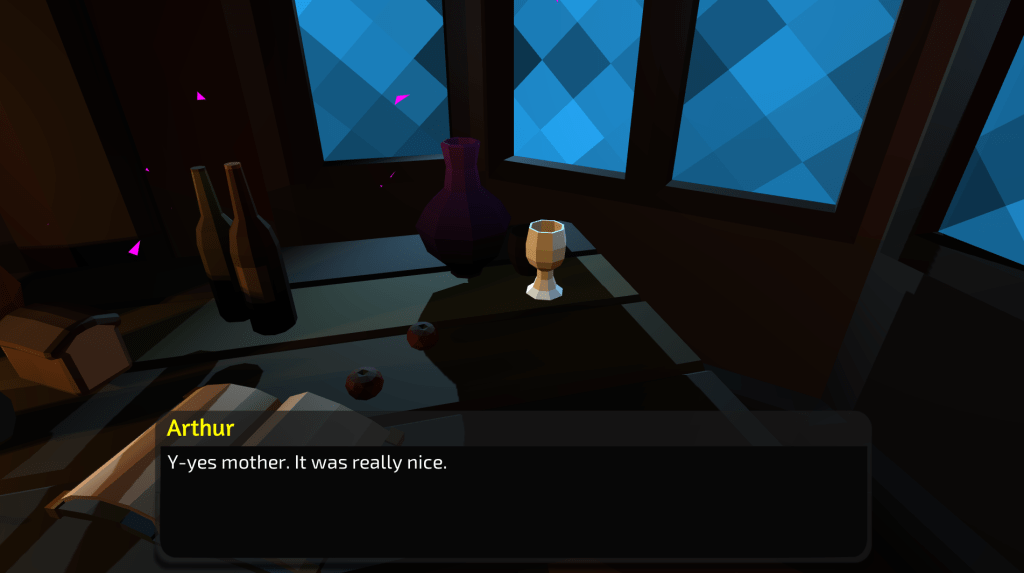
This project is a short narrative exploration game focused on environmental storytelling and player-led discovery. The game explores themes of trauma, abuse, and stigma through memory-based progression rather than direct exposition.
The setting takes place in the early 1900s and follows a young protagonist navigating a domestic environment. The story unfolds gradually through exploration, with memories revealed as the player interacts with key spaces and objects.
Content note: This project addresses sensitive themes.
My Role and Contributions:
- Designed the narrative concept, structure, and pacing
- Conducted research to inform the subject matter and ensure responsible representation
- Designed the level layout and environmental storytelling
- Implemented narrative systems using Fungus
- Selected music to support emotional tone and pacing
- Implemented small gameplay and interaction scripts in C#
- Led QA testing and playtesting, gathering structured player feedback
As the sole developer, I was responsible for aligning narrative intent with gameplay flow and ensuring that story delivery remained clear and respectful.
Design Intent:
The core design goal was to allow players to uncover the story gradually through exploration rather than direct instruction. Progression was structured around memory discovery, with new spaces unlocking only after key narrative moments were found.
The environment was designed to guide the player subtly while preserving a sense of agency. Spaces were intentionally restricted early on, then expanded as the narrative progressed to reflect the emotional journey of the protagonist.
Playtesting and Iteration:
Early playtests revealed several usability issues:
- Players struggled to identify objects of interest
- Open doors created confusion about accessible spaces
To address this:
- Visual cues were added to highlight interactive objects in a subtle but readable way
- Door states were redesigned so progression was communicated more clearly
- Trigger-based logic was added so spaces opened only when narrative conditions were met
These changes significantly reduced confusion and allowed players to focus more fully on the story rather than navigation issues.
Reflection and Future Improvements:
This project was challenging both creatively and technically. Developing a narrative-driven experience required careful consideration of tone, pacing, and player comfort, as well as thorough research to ensure the subject matter was handled responsibly.
If expanded, I would introduce additional visual storytelling elements such as character portraits to enhance emotional expression. I would also deepen the narrative by adding more memory fragments and perspectives, allowing the story to explore additional context while maintaining the player-led structure required by the brief.
This project reinforced the importance of clarity, feedback, and player guidance when delivering emotionally driven narratives through interactive spaces.
 kgaming.online