
Introduction
User testing and playtesting have been central to my development process throughout both solo and team projects. By gathering player feedback, observing user behaviour and analysing gameplay experiences, I have been able to identify usability issues, improve onboarding and refine game mechanics to create more engaging player experiences.
This page highlights examples of how testing informed design decisions and contributed to project improvements.
📊1000+
Participant Responses Analysed
🧪QA Lead
Experience
🎮Multiple
Team & Solo Projects Tested
💡Evidence-Based
Design Improvements
| Area | Experience |
| Projects Tested | Full Throttle Assault, The Helpline, Celestial Mesh |
| Testing Types | Playtesting, QA Testing, User Observation |
| Participants | 1,000+ Survey Responses & Multiple Playtest Sessions |
| Focus Areas | Onboarding, Usability, Progression, Balance |
| Activities | Feedback Collection, Bug Tracking, Behaviour Analysis |
| Outcome | Evidence-Based Design Improvements |
My Testing Process
My approach to testing focuses on understanding how players interact with a game, where confusion occurs and what improvements can be made to enhance the overall experience.
My testing process typically includes:
• Defining testing objectives
• Observing player behaviour
• Collecting qualitative and quantitative feedback
• Identifying usability and onboarding issues
• Prioritising improvements
• Iterating based on findings
• Re-testing updated solutions
Full Throttle Assault
As QA Lead and Producer for Full Throttle Assault: Carnage Over Mayhem, I coordinated playtesting activities, tracked bugs, gathered player feedback and worked with the development team to improve gameplay balance, usability and progression systems.
Testing & QA Documentation
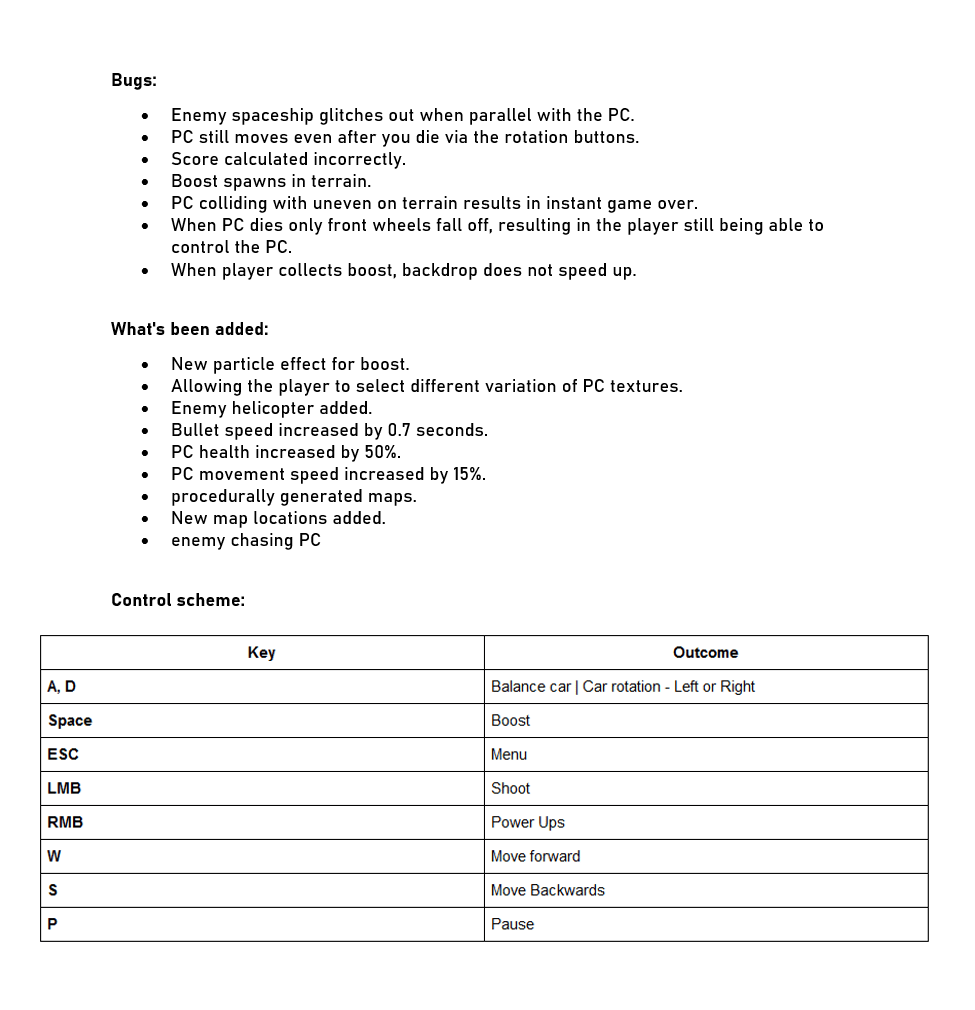
Interface & Usability Testing
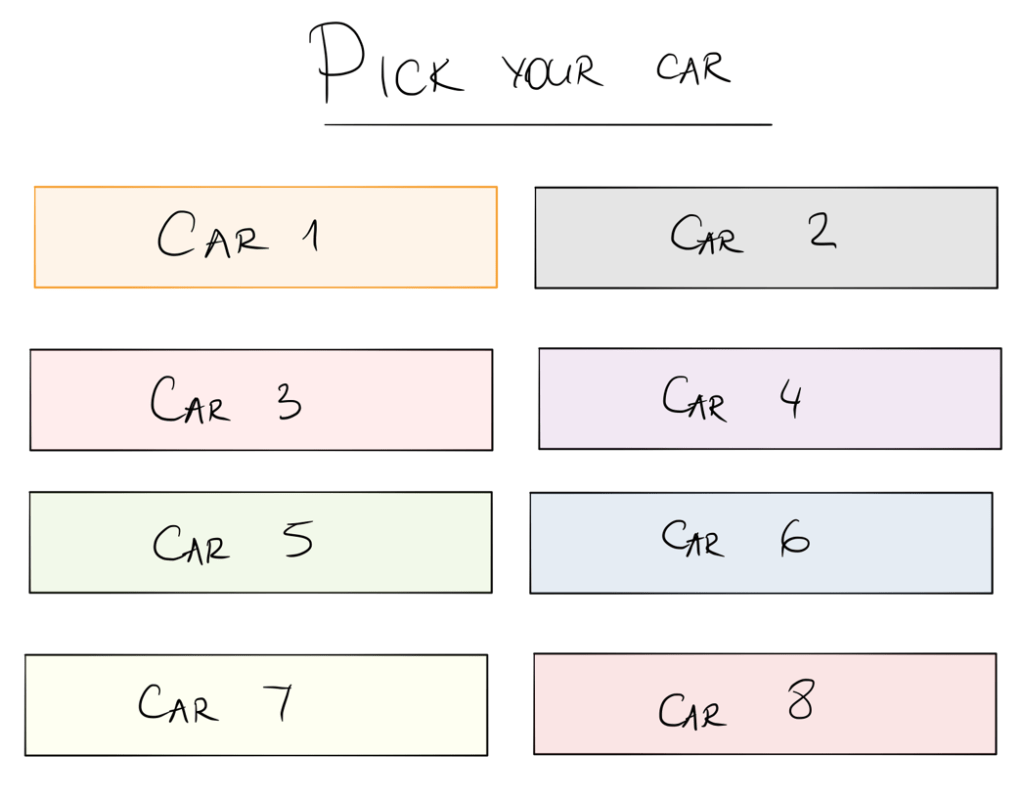
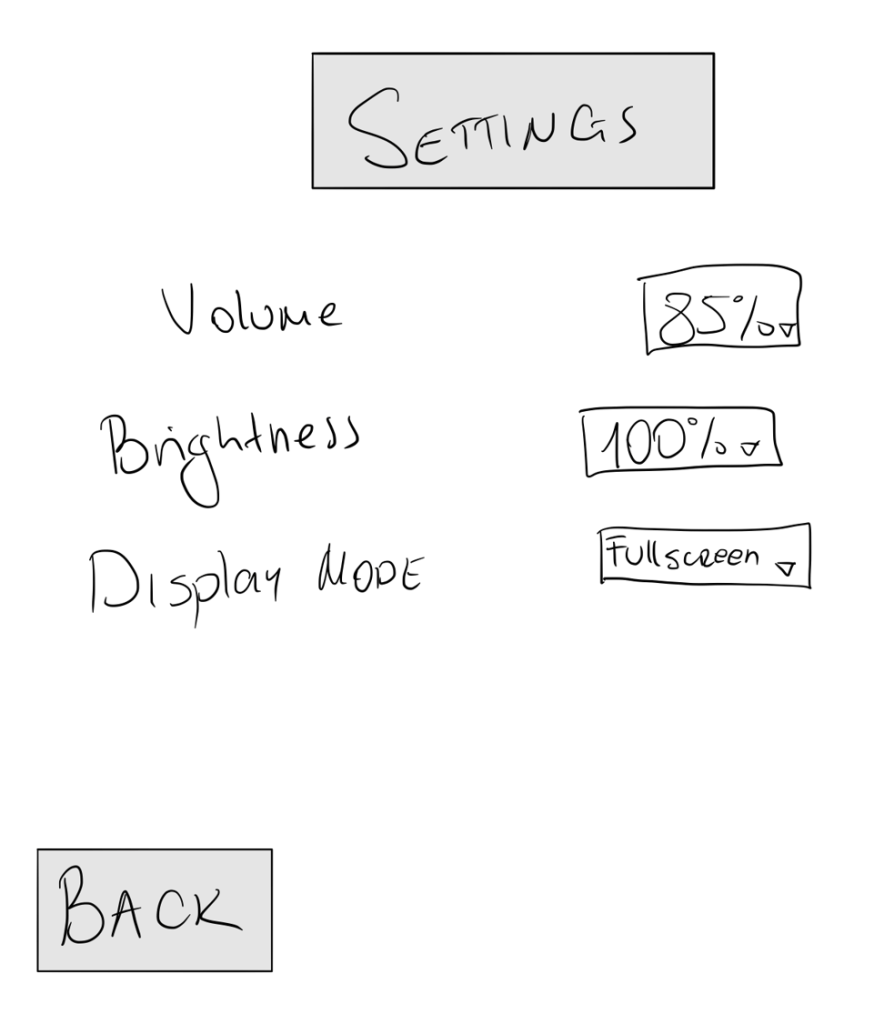
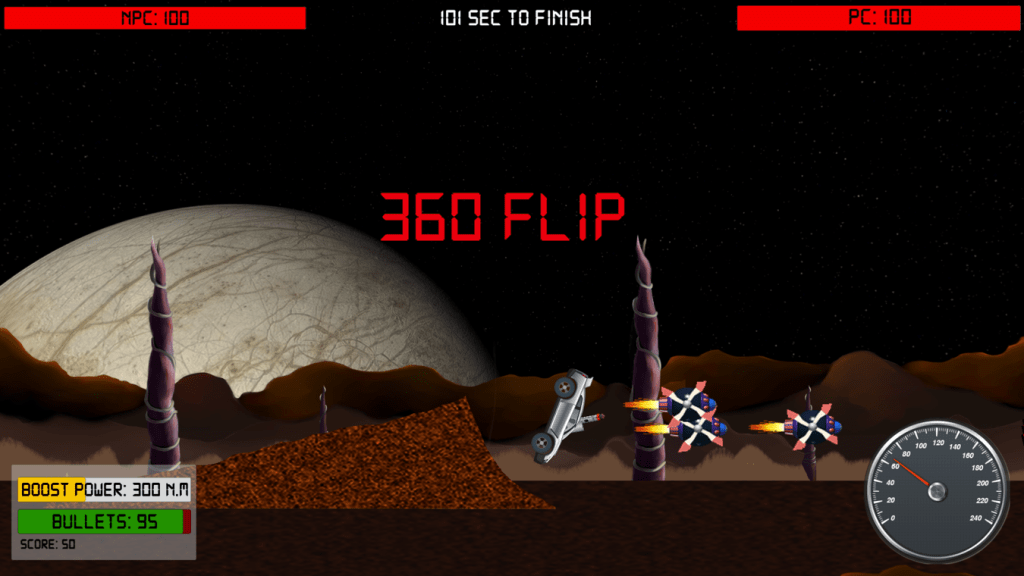
Gameplay Testing
Outcome & Iteration
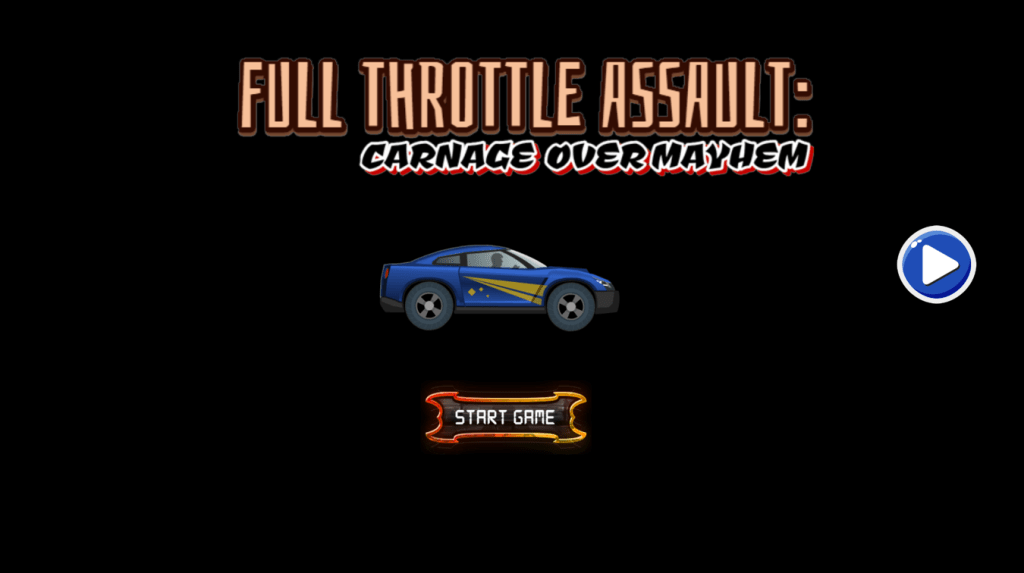
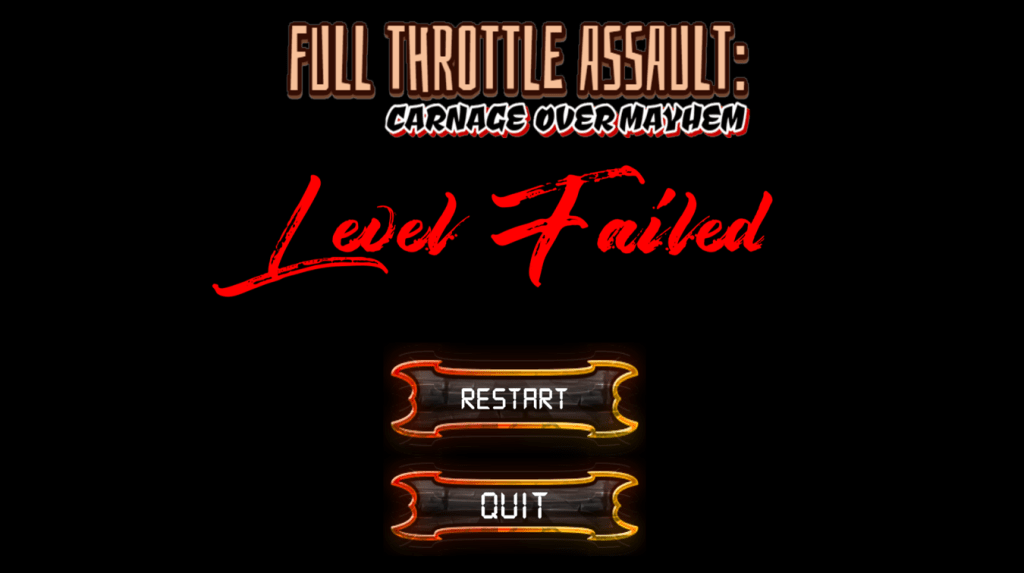
Key Contributions:
- Coordinated internal playtesting sessions
- Logged, prioritised and documented gameplay bugs, UI issues and balance concerns throughout development
- Collected and analysed player feedback to identify gameplay, usability and onboarding issues
- Supported balancing changes and feature iterations based on testing outcomes and player behaviour observations
- Communicated findings to the development team
- Contributed to sprint reviews and iteration planning
The Helpline
Project Context
Narrative-driven visual novel exploring themes of identity, acceptance and family relationships. The project was playtested to evaluate narrative pacing, player engagement and overall user experience.
My Contribution:
- Narrative design and story development
- Character writing and branching dialogue creation
- Playtesting and user feedback collection
- Analysis of player observations and feedback
- Iterative improvements based on testing outcomes
- Visual novel implementation and testing
Testing Approach
Playtesting sessions were conducted with peers and course participants to gather qualitative feedback on narrative engagement, pacing, clarity and emotional impact. Observations and written feedback were collected and reviewed to identify areas for improvement.
Feedback & Findings
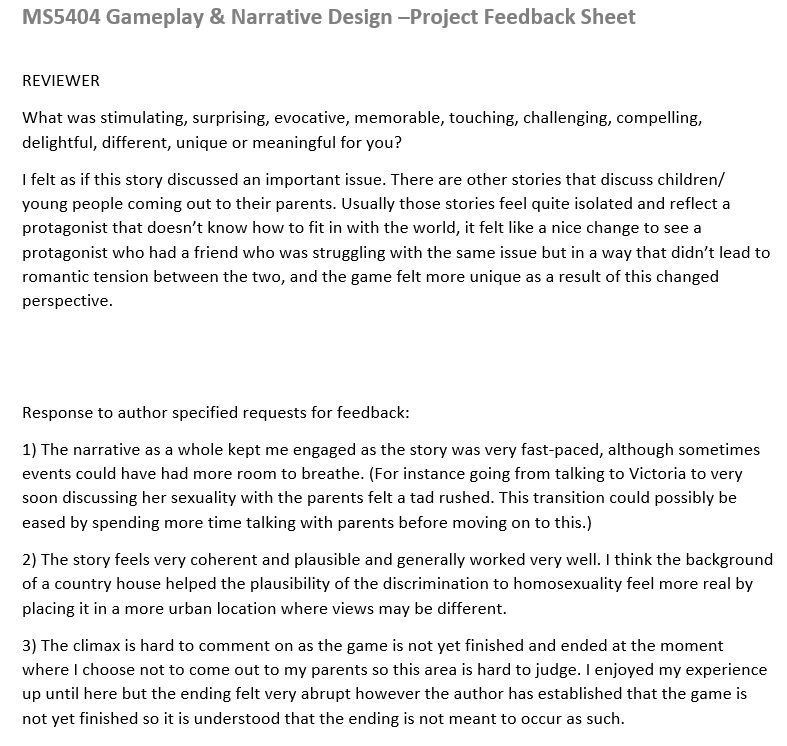
Feedback highlighted the effectiveness of the game’s themes and narrative while identifying opportunities to improve pacing, scene transitions and overall narrative flow. These findings informed later revisions aimed at improving player engagement and story delivery.
Key Insights:
- Narrative themes resonated strongly with players
- Players remained engaged throughout the story
- Feedback identified opportunities to improve pacing between major scenes
- Observations highlighted areas where additional context would improve clarity
Improvements Made:
- Reviewed pacing between narrative events
- Refined scene transitions
- Improved narrative flow and clarity
- Incorporated player feedback into subsequent iterations
These changes improved narrative clarity and created a smoother player experience throughout key story moments.
Skills Developed:
- User Research
- Playtesting
- Feedback Analysis
- Iterative Design
- Documentation
- Communication
- Problem Solving
Celestial Mesh
Playtesting helped evaluate how effectively players understood gameplay systems, objectives and progression. Feedback informed changes to onboarding, pacing and gameplay communication, helping create a more intuitive player experience.
Player observations were used alongside direct feedback to identify areas where systems could be explained more clearly and where additional guidance was required.
What I Learned
Through repeated testing across multiple projects, I developed a strong appreciation for the value of player feedback and evidence-based design decisions.
Testing consistently demonstrated that assumptions made during development do not always align with player behaviour. Observing users interact with a game often revealed issues that were not apparent during development, reinforcing the importance of iteration, communication and continuous improvement.
Skills Demonstrated:
- Playtesting
- QA & Bug Reporting
- Behavioural Analysis
- User Research
- Feedback Analysis
- Iteration
- Communication
- Documentation
Across solo and team projects, user testing and playtesting provided valuable insight into how people interact with systems, content and experiences. By combining observation, feedback collection, QA processes and behavioural analysis, I contributed to improvements in usability, onboarding, gameplay balance and player engagement. The experience strengthened my research, communication and stakeholder-focused problem-solving skills, demonstrating how user insight can be used to inform better products, services and community experiences.
🔍 User Research
Player observation & feedback analysis
🧪 QA & Testing
Bug tracking, documentation & validation
📈 Continuous Improvement
Evidence-based iteration & refinement


You must be logged in to post a comment.